
Launch campaign
Launch day starts weeks before it
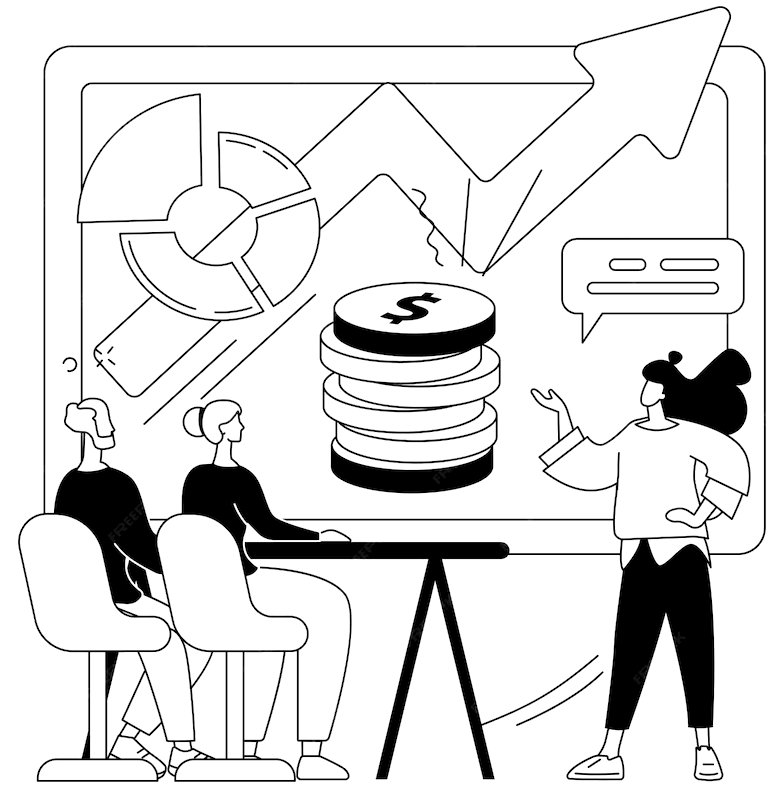
A product launch campaign is a plan in three phases: a pre-launch that builds anticipation, an intense launch week that turns interest into visits and orders, and a post-launch phase where we optimize from the numbers. Kazaplan plans the whole campaign for restaurants, stores, apps and new products in Egypt and Saudi Arabia, from the message to paid ads and measurement.
Start at least six to eight weeks before launch. That gives time to prepare the message, content and landing page, brief influencers, and start teasing two to four weeks before the date. If your identity or website isn't ready yet, you need longer, because advertising a product with no clear place for customers to land wastes part of the budget.
An opening campaign targets a specific area, a product launch may target a whole country. A restaurant or store opening relies on location targeting, Google Maps and an opening-days offer. An app or product launch relies more on the waitlist, downloads or online orders, and content that explains the product to people who have never heard of it.
Not always. Influencers help when their audience is close to your customer and the message suits their style. Several smaller local creators often do better than one expensive big name. In Saudi Arabia, individuals who advertise on social media need a Mawthooq license from the General Authority for Media Regulation, and we check it before any paid collaboration.
There's no fixed figure, because the budget has three separate parts: the agency fee for planning, content and management, the ad budget paid directly to the platforms, and influencer fees if you use them. Market size, campaign length and the number of platforms set the total. We send a written plan that shows each part separately, so you can see where every pound or riyal goes.
Before we start, we agree one main success number with you, such as orders, bookings, downloads or store visits, and a target cost per result. We measure from day one with proper tracking on the site and ads. Views and likes are useful signals, but on their own they aren't enough to judge whether the launch worked.
We move straight into optimization. We review ads, content and channels, cut what costs too much, add budget to what brings customers and retarget people who visited but didn't buy. A few weeks later you get a report on what we learned, and you decide whether to continue on a monthly plan or stop at the campaign.
Pre-launch
Teasers, a waitlist and influencers that build curiosity before day one.
Launch week
Paid ads, daily content and a clear offer that turn interest into visits and orders.

Post-launch
We read the numbers, stop what isn't working and scale what brings customers.

Launch message
One clear idea, said the same way on every channel.
Teaser content plan
Posts, stories and short videos on a fixed schedule.
Waitlist
A sign-up page that collects interested people to contact first.
Influencer partnerships
Creators who fit your audience, with licenses checked where required.
Paid campaigns
Meta, TikTok, Snapchat and Google, chosen for your audience.
Post-launch report
What worked, what each customer cost and what comes next.
A product launch campaign starts two months before launch day
A launch isn’t a single post saying “we’re open”. It’s a plan that makes people wait for your date, then find everything ready when they arrive: a clear message, an offer worth acting on, and a site or branch ready to receive them. Most launches that stall aren’t let down by the product. They start too late, or without a goal anyone can measure.
This is the countdown we usually work to.
Eight to six weeks out: the groundwork
We agree one success number, such as orders, bookings or downloads, and an acceptable cost per result. We write the launch message as one sentence that’s said the same way on every channel. And we make sure the basics are in place: the identity, the landing page, ad pixels, order tracking and, for an opening, the branch’s Google Maps listing. If the identity isn’t ready yet, start with branding and naming, and allow more time.
Four to two weeks out: the teasing
- Teaser content: behind-the-scenes clips, hints about the product, a countdown. It’s enough that people ask “what is this?”.
- Waitlist: a simple page where people leave a number or email in exchange for something: early access, an opening-days discount or an invitation to the opening.
- Creators: we pick accounts close to your audience and give them what they need to try the product or visit before everyone else.
Launch week
This is where spend and content peak. We message the waitlist first, then launch paid ads on the platforms your audience uses: Meta for Facebook and Instagram, TikTok, Snapchat especially in Saudi Arabia, and Google for people already searching. We post daily and answer comments and messages fast, because launch-week attention doesn’t come back. You get the numbers day by day.
After launch: the optimization weeks
Most campaigns stop on launch day, and that’s where much of the value is lost. In the following weeks we read the numbers: which ads brought orders at an acceptable cost, which creators drove real engagement, where visitors drop off before buying. We cut what costs too much, add budget to what brings customers and retarget people who visited but didn’t buy. Then you get a closing report on what we learned, and you decide whether a monthly plan makes sense.
Two very different launches
A restaurant or branch opening
A restaurant opens a new branch in Nasr City, or in a neighborhood in north Riyadh. Targeting is a radius around the branch, the offer is tied to the opening days, and the content shows the place, the food and the people. We set up the Google Maps listing with photos and opening hours, invite local creators to visit, and track bookings, orders and branch visits.
An app or product launch
A delivery app, or a skincare product, launches in Egypt and Saudi Arabia at the same time. The goal is downloads or online orders, targeting is broader, and the content explains the problem the product solves before it lists features. We split the budget between awareness and conversion ads and test several creative ideas in the first days to find the ones that deserve more spend. The waitlist gets a direct link on launch day, because early sign-ups are usually the first to try the product and the first to leave a review others will read.
What changes between Egypt and Saudi Arabia
- Snapchat carries more weight in Saudi Arabia, while Facebook, Instagram and TikTok are central in Egypt.
- Influencers in Saudi Arabia need a Mawthooq license from the General Authority for Media Regulation to advertise on social media, and we check it before any agreement.
- Seasons move the timing: Ramadan and Eid in both markets, Riyadh Season and National Day in Saudi Arabia. We plan around them, not against them.
- A joke that lands in Cairo may not land the same way in Jeddah or Riyadh, so each market gets its own copy.
Our team is in Cairo and works with Saudi clients remotely, with video meetings during planning and daily check-ins in launch week.
The budget: three separate parts
- Kazaplan’s fee: planning, content and campaign management.
- Ad budget: paid directly to the platforms.
- Influencer fees: if you use them, paid to the creators directly.
Market size, the number of cities or countries, the length of each phase and the volume of content set the figure. We prefer the ad accounts to stay in your name, so the data stays with you after the campaign ends. A launch is a one-off project under our Launch Campaign offer. Ask for a plan and a quote.
How to judge a launch two weeks in
Ask: how many new customers actually came from the campaign? What did each one cost? How many came back a second time?
If the answers are clear numbers, the campaign was measured properly, even if it needs adjusting. If the only answer is a view count, the problem is the measurement before it’s the ads.
What ruins launches most often, in our view: ads that start before the branch or stock is ready, an offer with no reason to buy now, the whole budget on one influencer, and stopping after day one.

What we believe
More than one plan
Every business has its own story, audience and challenges, so we never squeeze clients into a ready-made template. We build the plan around the business.
Strategy before activity. First we work out what your business really needs and what it does not, then we decide where to publish and how much to spend.
Your real-world success deserves a digital presence of the same size. We don't start your success, we amplify it.
Plans
Choose the plan
that fits you
The price depends on the services you need and the scope of work. Pick a starting point and we will send you a detailed proposal.
Presence
Presence
Monthly content plan
Post design
Account and community management
Monthly performance report
Growth
Growth
Everything in Presence
Reels and short video
Paid ads management
Conversion tracking and analysis
Scale
Scale
Everything in Growth
Full marketing strategy
Multi-platform campaigns
Regular review meetings
Name & Identity
Name & Identity
Market and competitor research
Brand naming
Logo design
Brand guidelines
Website
Website
Mobile-first design
SEO-ready service pages
Analytics and tracking setup
Contact and WhatsApp forms
Launch Campaign
Launch Campaign
Product or service launch plan
Campaign content and design
Paid ads for the campaign
Final results report
Follow Kazaplan
We share practical ideas on marketing, advertising and brand building on our social accounts.